Monday, December 22, 2014

Peru!

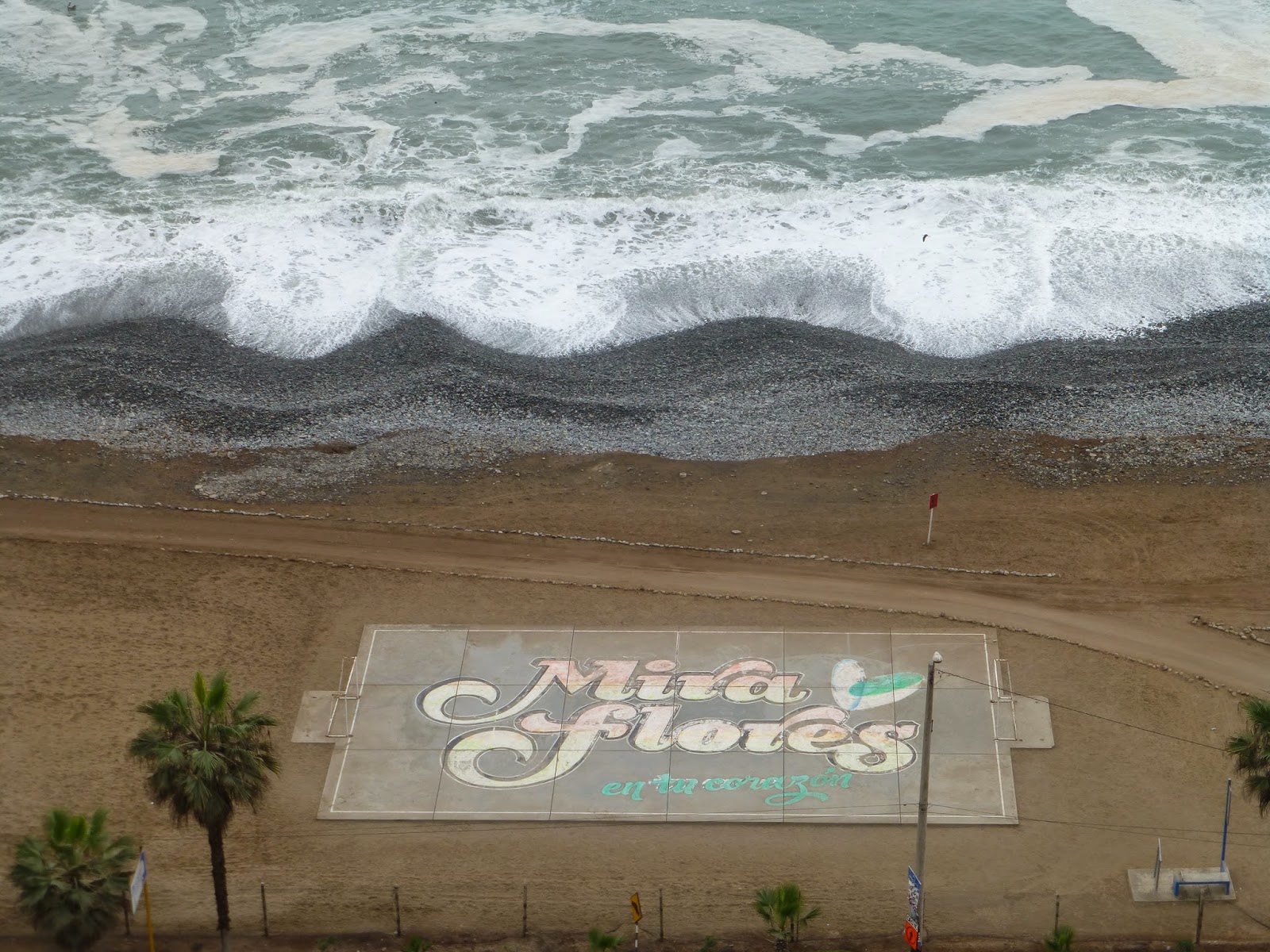
Our first stop on our two-week adventure was the capitol city of Lima, a bustling metropolis of nearly nine million inhabitants.  We stayed at the Belmond Miraflores hotel, in the upscale Miraflores ("look at the flowers") district.  The hotel is near the trendy multi-level Larcomar mall that hugs the face of the windswept cliff affords a panoramic view of the Pacific.  From the mall, we could see the La Rosa Nautica restaurant situated on a pier far below.  We enjoyed dinner there one evening, consuming our fair share of Lima's justly famous ceviche. 


La Rosa Nautica

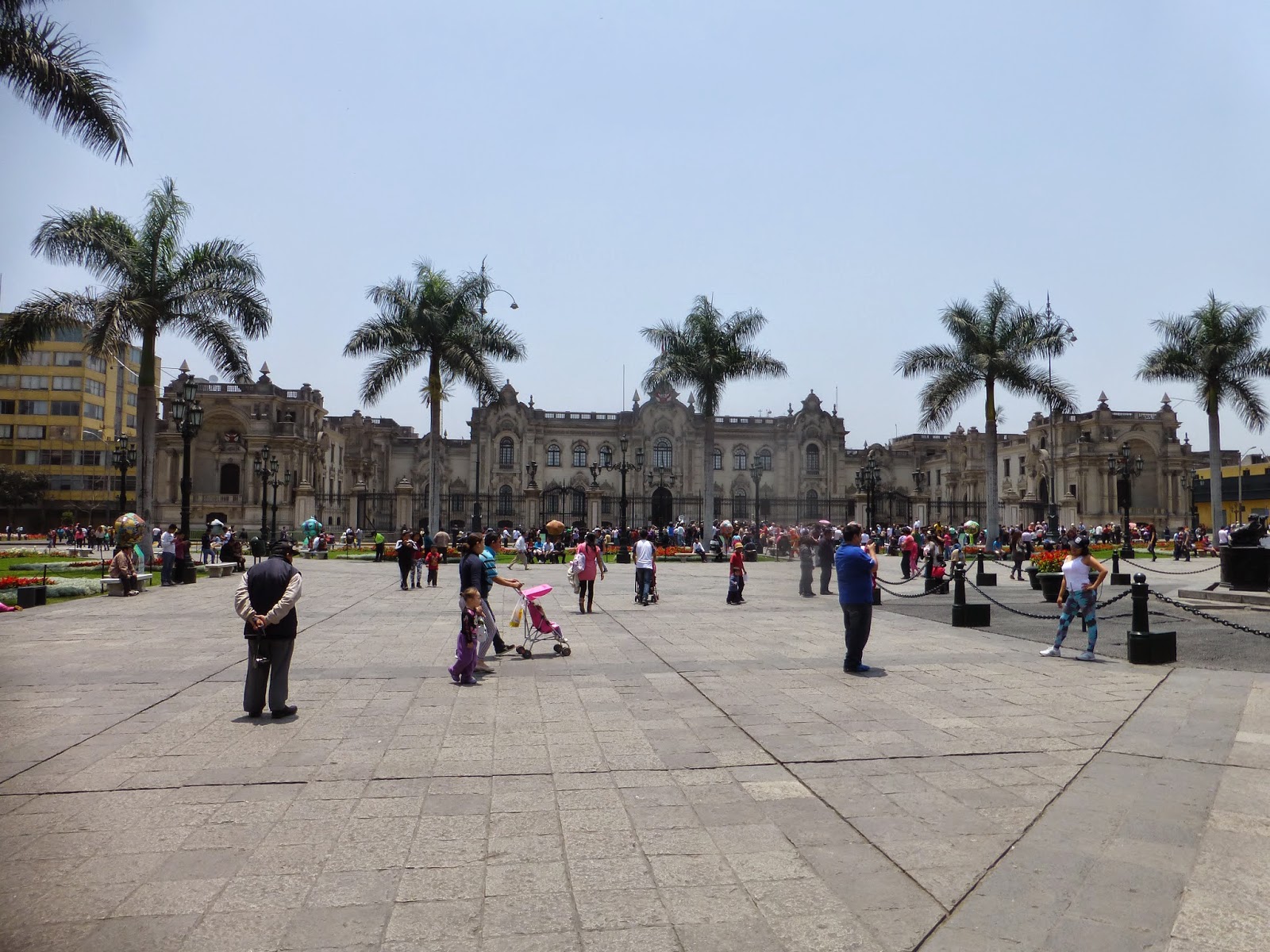
We had limited time to explore Lima and, with the help of a great guide, packed in a full day of sightseeing, beginning with the massive Plaza Mayor.  We enjoyed a stroll through the Plaza and viewed the changing of the guard at the President's residence, the Palacio de Gobierno.  Subsequently, we walked along the pedestrian thoroughfare, Jiron de la Union, and toured the Casa de Aliaga, the oldest piece of family-owned real estate in South America.  Jeronimo de Aliaga was one of Francisco Pizarro's lieutenants and erected the home in 1535.  It is still occupied by his descendants and is a spectacular showcase of Colonial architecture. 


                                                                       Plaza Mayor


Jiron de la Union


                                                             Interior of Casa de Aliaga


Our lunch was at the CafĂ© de Museo restaurant, housed within the Museo Larco and overlooking the beautiful gardens.  The Museum houses a spectacular collection of gold, silver, and textiles and is organized so that a visitor may appreciate pre-Incan cultures as well as the scale of the Incan empire.  There is also a popular display of erotic sculpture, a testament to the imagination and flexibility of ancient Peruvians. 

 
Museo Larco

 
Cafe de Museo


Traveler's Tip:  Municipal law bans the sale of alcohol 48 hours prior to any election.  Unfortunately, we arrived just before the mayoral election and encountered the ban.  But...we learned of the no-alcohol rule prior to arrival and averted disaster by scoring bottles of our favorite beverages at the duty-free shop before leaving the U.S. 

Friday, December 12, 2014

Bermuda--Hamilton and St. George's

Hamilton, Bermuda's largest city, bustles with tourists and local businesspeople on the go.  Local men take great pride in sporting their Bermuda shorts, and you'll see several nattily attired gents navigating their way through town.  Hamilton is jammed with shops ranging from high-end brand names to local tourist venues, and restaurants run the gamut as well. 

Front Street, easily accessed from the ferry terminal, makes for a fun stroll.  Only blocks from the terminal is the Cathedral of the Most Holy Trinity, a gothic-style edifice erected in the late nineteenth century. The Barracuda Grill served a terrific dinner--Rockfish is a local specialty, and the dish here was fantastic.  The adjacent Hog Penny Pub was perfect for a pre-dinner cocktail, and late night martinis in the bar at the Fairmont Hamilton Princess were perfect.  Travelers will note the near absence of fast food restaurants, which locals believe would diminish the Bermudian experience. 

Hog Penny Pub

 
Barracuda foie gras terrine


Dessert

As busy as Hamilton is, St. George's swings in the opposite direction and seems a tiny community locked in the past.  The settlement of Bermuda began here, in 1609, when a ship carrying supplies to Jamestown, Virginia, floundered on the reefs.  St. George's served as the capital until 1815.  A few highlights include the delightful Somer's Garden and the Unfinished Church, which has sat uncompleted since the late 1800's due to storm damage and disagreements among parishioners.  A charming structure is the aged St. Peter's Church which, together with the surrounding graveyard, offer great photo opportunities.  A fine restaurant in St. George's is Wahoo's Bistro, with dockside seating.
 
St. Peter's Church


Interior

 
Interior
 
 
Somer's Garden

 
Unfinished Church

Miscellaneous Notes:  A bit off the path, but worthy of a stop, is the Fourways Inn, an elegant restaurant housed in a 17th century building.  The overloaded tables at brunch are highly recommended, and definitely try the traditional cod and potato dish, served with avocado and eggs on the side.  Another restaurant of note is the Waterlot Inn, housed in a handsome building which dates from 1670.  One word here: steaks.  Oops--three words:  martinis, steaks, and wine. 

 
Meat Station at Brunch


Brunch

 
Fourways Inn
 
 
Bar at Waterlot Inn

 
Main Dining room

 
Bar

 
Indoor Patio


Wednesday, October 22, 2014

Bermuda-The Dockyard and West End

As we lingered in the infinity pool at the Cambridge Beach Resort, lazily gazing at the watercraft bobbing in the turquoise Atlantic waters, we chided ourselves for waiting so long to finally visit Bermuda.  Our Dark 'n Stormy cocktail, crafted with Bermuda's own Gosling's Black Seal Rum, was refreshing and we knew that we would not stop at just one.  And why rush?  Bermuda is, indeed, a country to savor at a leisurely pace. 


The Cambridge is located near the Royal Navy Dockyard, which for more than 150 years after the American Revolution was the seat of British Naval power in the western Atlantic.  Today, the fortified complex hosts an interesting mix of shops, tourist attractions, and restaurants.  One of our favorite stops was the Frog and Onion Pub, inside the former cooperage building, which maintains a lively atmosphere within the stout stone walls.  The restaurant is a partnership between a Frenchman ("Frog") and a Bermudian, who are often called 'Onions' because the nation once exported quantities of the bulbs.  The nineteenth-century Clocktower Mall is also interesting. 


With its narrow roads and hectic local traffic (tourists may rent mopeds, not autos), Bermuda does not appear an inviting place to bike or walk.  However, the former Bermuda Railway track, which set idle for years when rail service was discontinued in 1948, has been paved over and runs nearly the length of the island.  No motor vehicles are allowed and, for long stretches, the tranquil path offers panoramic ocean views.  In the West End, you can depart the trail and hike uphill to Fort Scaur, erected in the 1860's to safeguard against possible American assaults.  The views are stunning and acres of well-maintained gardens surround the fort. 


Water-based activities are abundant, ranging from snorkeling to sailing to jet skis, and spending some time exploring deserted coves or pink sand beaches is not to be missed.  When taxiing about the island, keep an eye out for "moongates", stone arches which are thought to bring good fortune and are often featured in wedding photographs.  Also, note the white-painted roofs on most houses, which are designed to collect rainwater in large tanks beneath the homes--an important feature, given that Bermuda has no natural source of fresh water. 


Saturday, May 10, 2014

Chicago: The Richard Driehaus Museum

 
Visiting the Richard Driehaus Museum, on the corner of Erie and Rush Streets, is an opportunity to step back in time and enjoy the splendor of a Gilded Age estate.  Commissioned by Chicago banker Samuel Nickerson in 1879, the house has been painstakingly restored to its original opulence. 
 
 
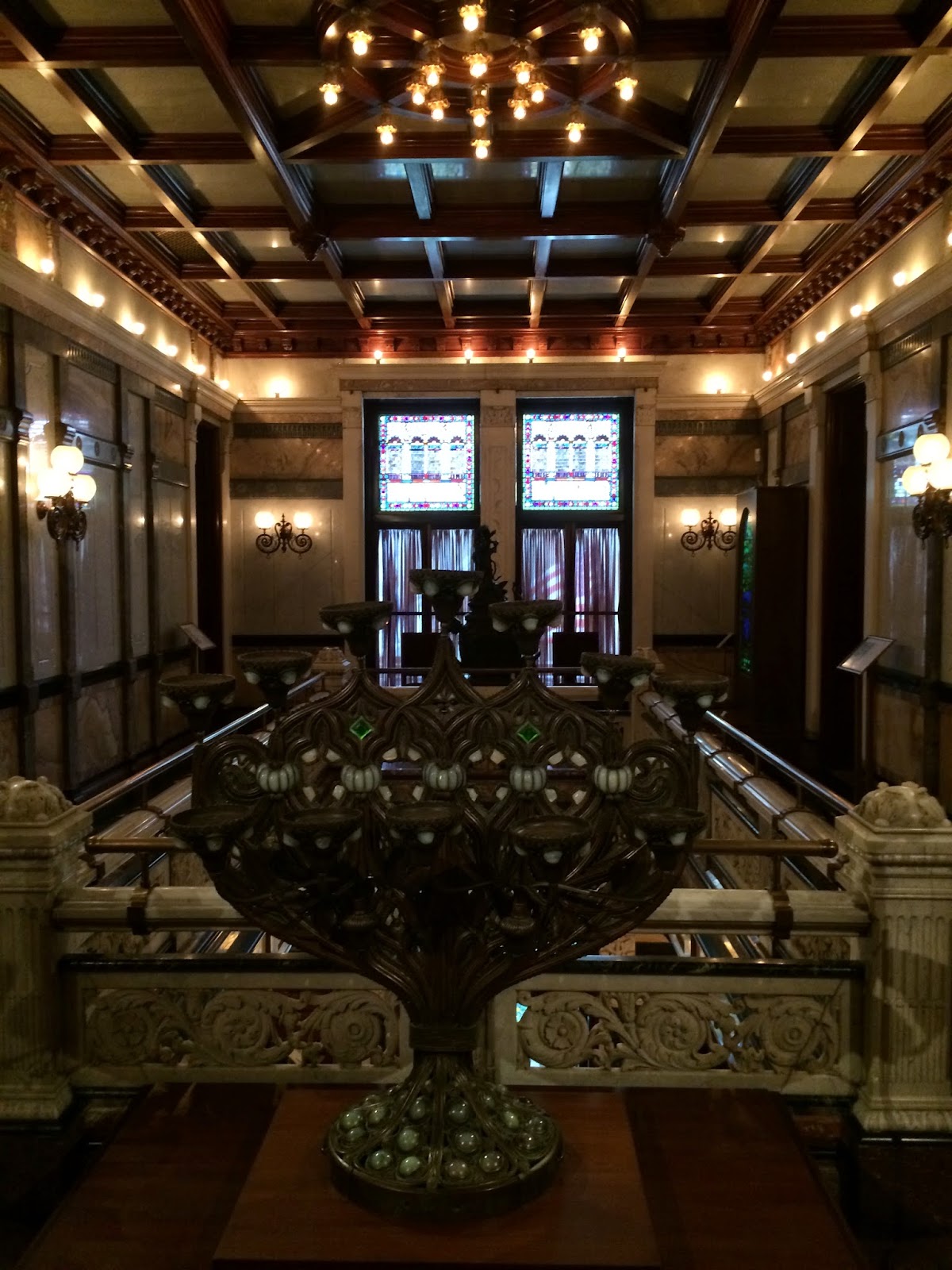
The Central staircase.  Floors, walls, and even many ceilings are of marble.  The home had fallen into some disrepair by 1919 and there was discussion of demolishing it to make way for another high rise.  When certain wealthy Chicago area families were made aware of this, they purchased the building and donated it to the American College of Surgeons, who used it as a headquarters for many years.
           Note the ornate woodwork.  The walls were covered with a material similar to laminate. 


The second floor.  In 2003, the mansion was purchased by noted businessman and art collector Richard Driehaus, who devoted the next several years to having the mansion faithfully restored.  It was opened to the public as a museum in 2008.


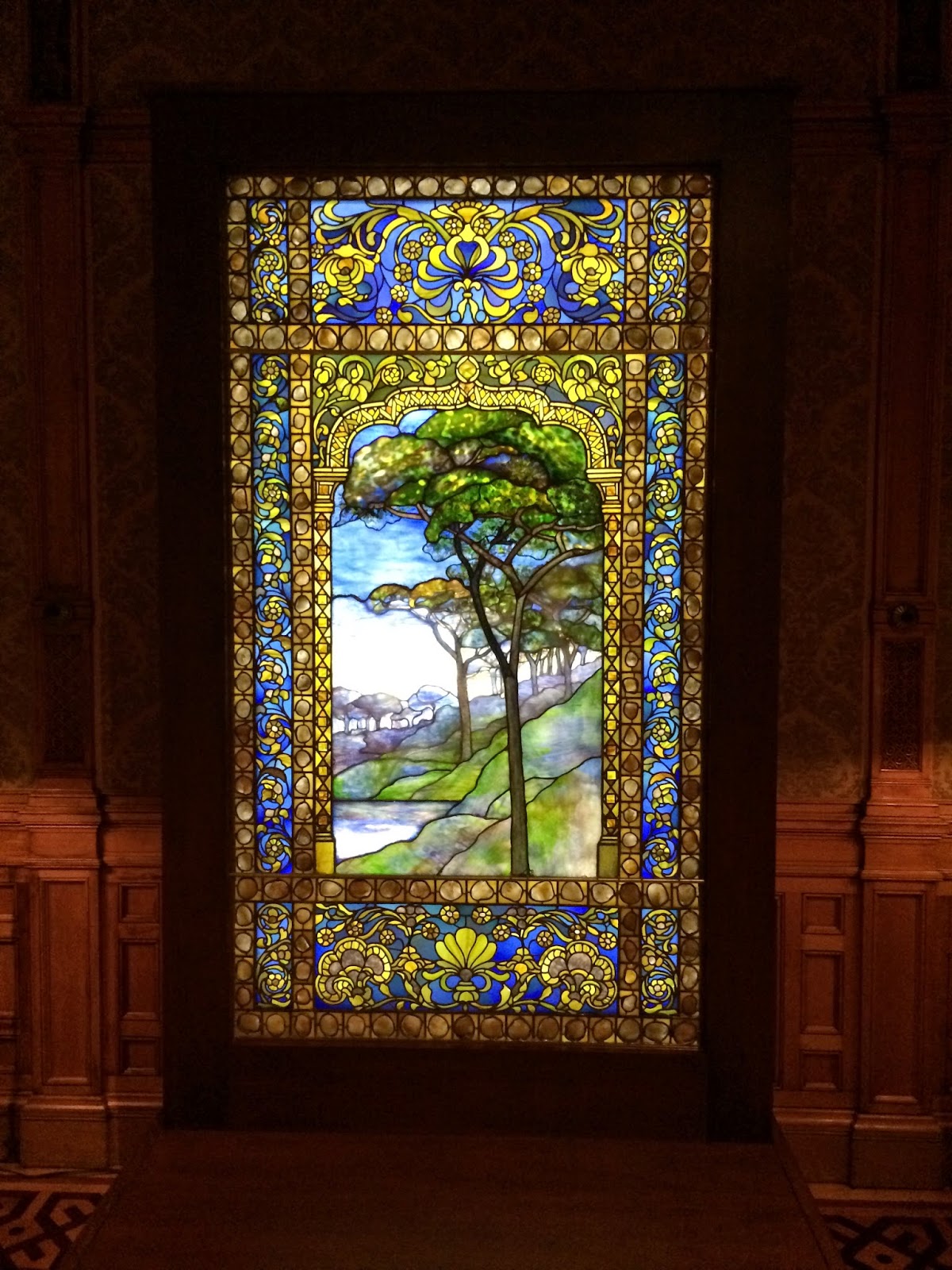
Although the Driehaus Museum holds several Tiffany pieces in the permanent collection, it's inaugural exhibition is Louis Comfort Tiffany: Treasures from the Driehaus Collection.  The piece above features individual Nautilus shells.  The lampshade was removable, allowing the work to serve as a centerpiece. 


It is not believed that the Rotunda is by Tiffany.  The Rotunda had been badly damaged but, incredibly, the manufacturer was found and still possessed the original formula used to make the glass.  The restoration is amazing. 
 
               Second floor from the opposite direction. Two rooms on either side of the central                  hall served as bedchambers.   A ballroom and lounge were located on the third floor.                    

                                            A Tiffany lamp with Tiffany's famed dragonfly motif. 


Hidden doors in the dining room allowed servants to pass from the kitchen or the parlor without intruding on the public space reserved for guests.


                                                Intricate ceiling work in the drawing room.

Exterior of the Mansion