Thursday, September 8, 2016

Climbing Mt. Fuji

The Japanese have a saying to this effect: "Everyone should climb Mt. Fuji once; only a fool would climb it twice."

While I expect that an experienced mountaineer would not find Mt. Fuji particularly difficult, it presents plenty of challenges for the average Joe or Jane. The trail itself, a series of switchbacks that become progressively steeper, is rugged. Smooth volcanic ash quickly gives way to an ankle-threatening path of uneven rock.

                                            The Fifth Station, where climbs typically begin


                      My hiking companion, after purchasing a walking stick, a traditional souvenir

Weather is also a factor. Climbers are encouraged to stop at the 7th or 8th stations for a meal and some rest, then to continue around midnight with the goal of reaching the summit in time to catch the sunrise. That sounds good, until one is searching for a foothold on slick rocks in the dark.

                                     The trek is extremely popular during the summer months


                                          Stations along the way will brand walking sticks

 
The change in altitude should not be underestimated. Resting at one of the stations on the way up helps climbers acclimate, but the thinning oxygen is clearly noticeable. And, as the altitude increases, the temperature drops. It was 75 degrees Fahrenheit when we began the climb, and 35 degrees at the summit.


                          Our abode for a couple of hours sleep and a meal. Luxury accommodations!


A few tips. First, make sure that you have appropriate gear. Footwear, obviously, but you'll also want to bring warm gear for the higher elevations and waterproof outerwear. A hat and sunblock, because you will be exposed for most of the climb. A headlamp is essential for the night climb. And water, water, water. Staying hydrated is critical. The stations along the way will sell water, oxygen, and basic supplies, but bear in mind that nothing is cheap on this mountainside monopoly, so bring sufficient cash.


Was the climb ultimately worth it? The pictures below speak for themselves. That said, once was clearly enough!!


Almost there!!


                                                                     At the summit!!

Monday, July 4, 2016

Honfleur, France

 
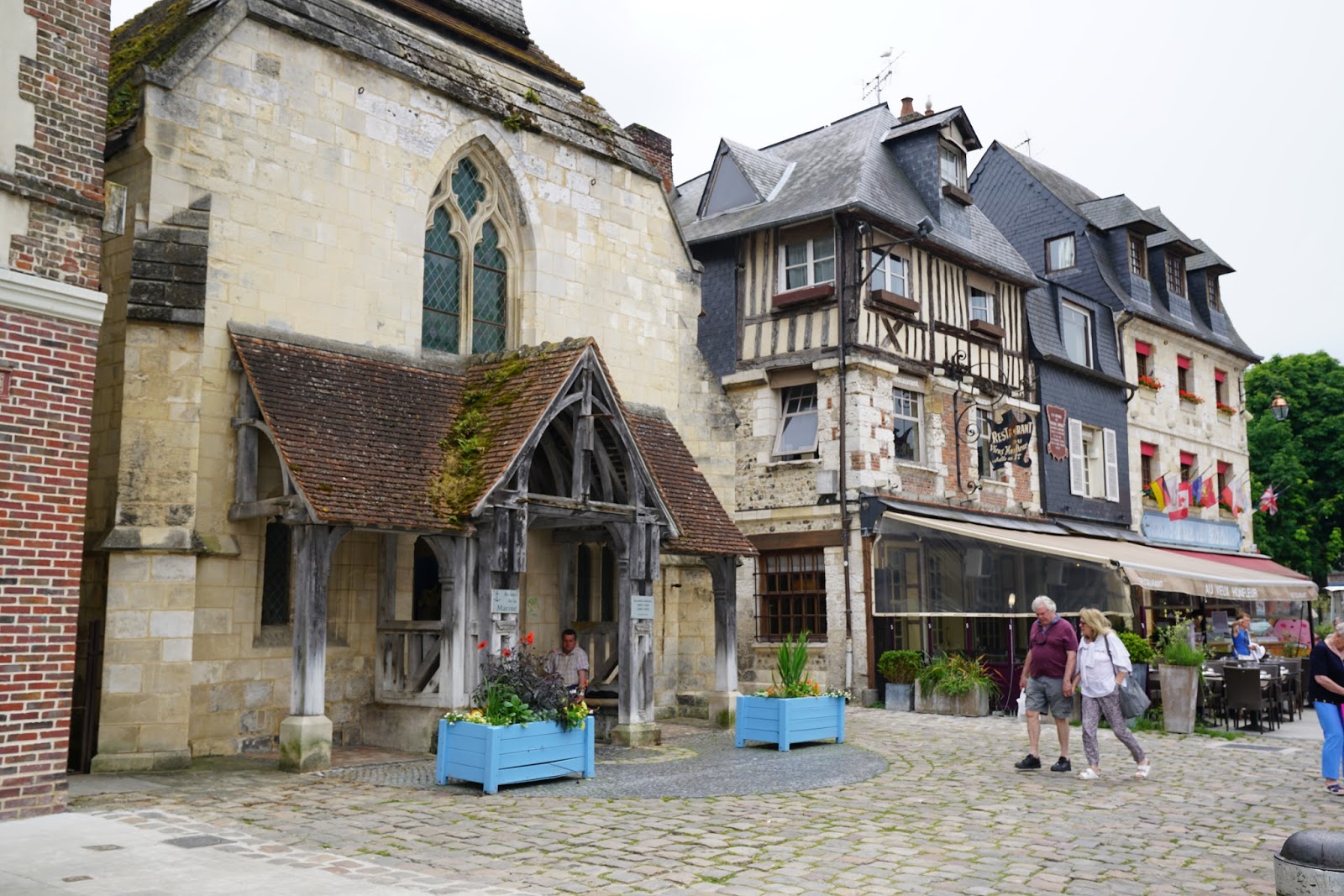
The beautiful old port city of Honfleur, where the Seine River meets the English Channel, is understandably popular with tourists. It has also been attractive to numerous artists over the years, including Monet and Boudin.


St. Catherine Church, with a wood-shingled exterior, was erected by shipbuilders and the interior has a nautical theme.


A stroll along the harbor in the evening


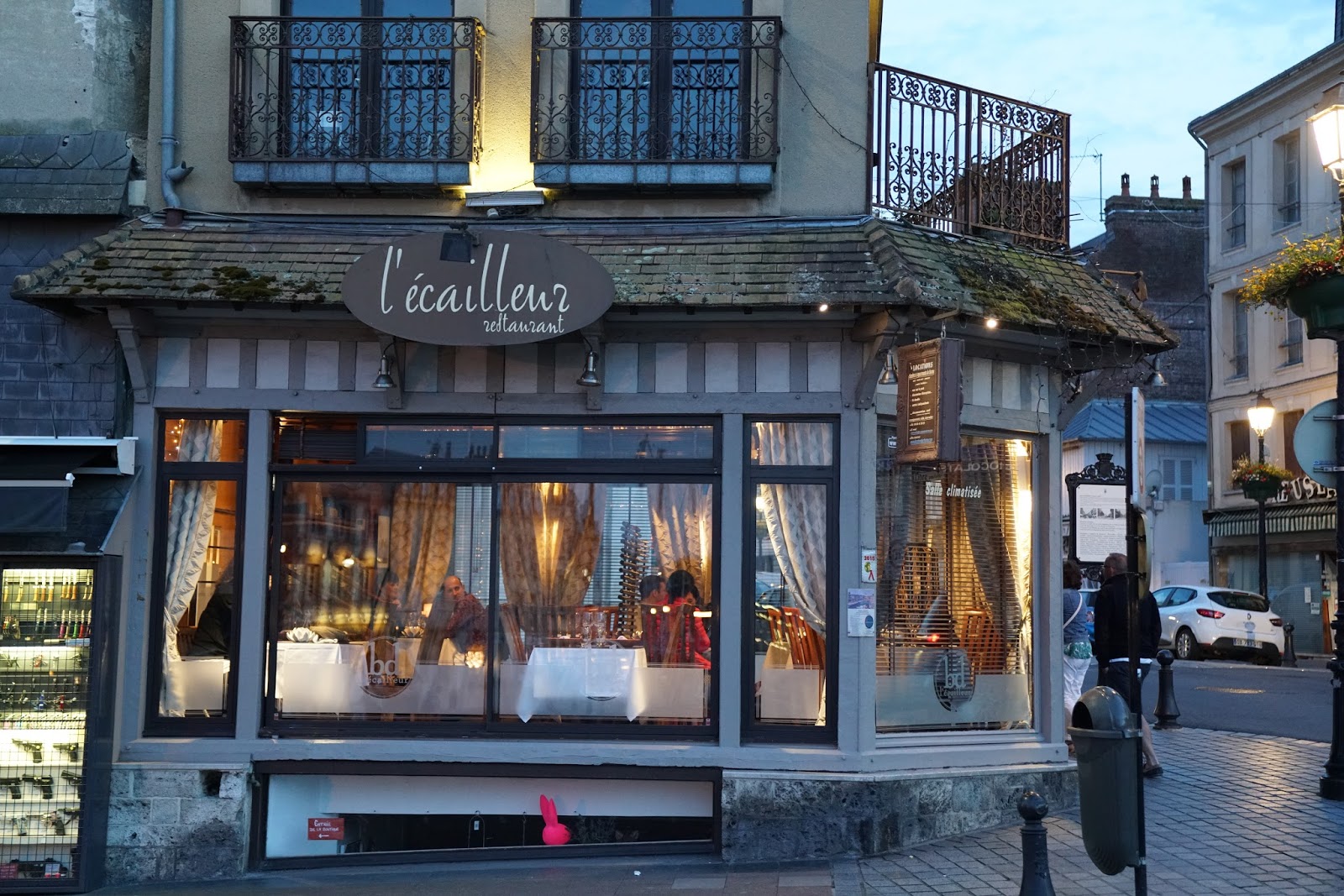
L'ecalilleuz, a terrific little restaurant that looks out over the harbor. During our visit to Honfleur, we stayed at the Ferme Saint Simeon, a short walk from town with fine accommodations and a superb restaurant. Our adventures in France concluded, we looked forward to returning to Ohio and enjoying our summer in Cleveland--home, of course, to the World Champion Cleveland Cavaliers!!

Friday, July 1, 2016

Mont St. Michel

Yes, it is touristy. Yes, it is crowded. Yes, there is no choice but to trudge uphill. But go. Go, you must. It is iconic, it is unique, it is breathtaking.

Traveler's tip: Arrive around 4:00 and the tourist bus crowds have begun departing. The abbey atop the mountain is open until 6:00 in June, and later in July and August. There will be plenty of time to climb to the summit and enjoy a relatively uncrowded abbey. If you can, spend the night on the island and, from the ramparts, watch the tide roll in and reclaim the surrounding land. Then walk back down, exit the stout wooden gate, and take in the view of the towering abbey as the sun sets and the lights come on to illuminate the stone walls. Yes, it involves considerable walking, and this magical place is worth every step.


            A view from the ramparts of the bridge connecting Mont St. Michel to the mainland

                                  
                              Construction began in 708 A.D. 1200 years of history, folks!
                                 
                                                                 The Abbey Church

                                 
                                                                   The Cloisters


                   Scriptorium Hall, where monks would decorate illuminated manuscripts


                  Watching from the ramparts as the tide rolls in is a fascinating experience


                                                    Village street as night falls


 We spent a night at the isolated Chateau de Bouceel, located in a bucolic area several kilometers south of Mont St. Michel. The property has been in the family since the 1400s.
                             

Our host's father was a member of the French Resistance during WWII and, near the end of the war, was arrested by the Nazi's and sent to a concentration camp. Before the train arrived, however, Allied troops bombed the tracks. The Nazis fled, and our host's father returned to his chateau, where he became instrumental in founding the American Cemetery at St. James. Even today, many locals--including our host--have adopted and maintain the gravesites of American soldiers.


French revolutionaries sacked the chateau and burned its contents on the front lawn. Only this portrait, of the Marquise de Montecot, owner of the chateau at the time, survived. The frame was built into the wall and proved too difficult to remove. Today, it is said that her ghost roams the chateau.

Thursday, June 30, 2016

Dinan, Brittany

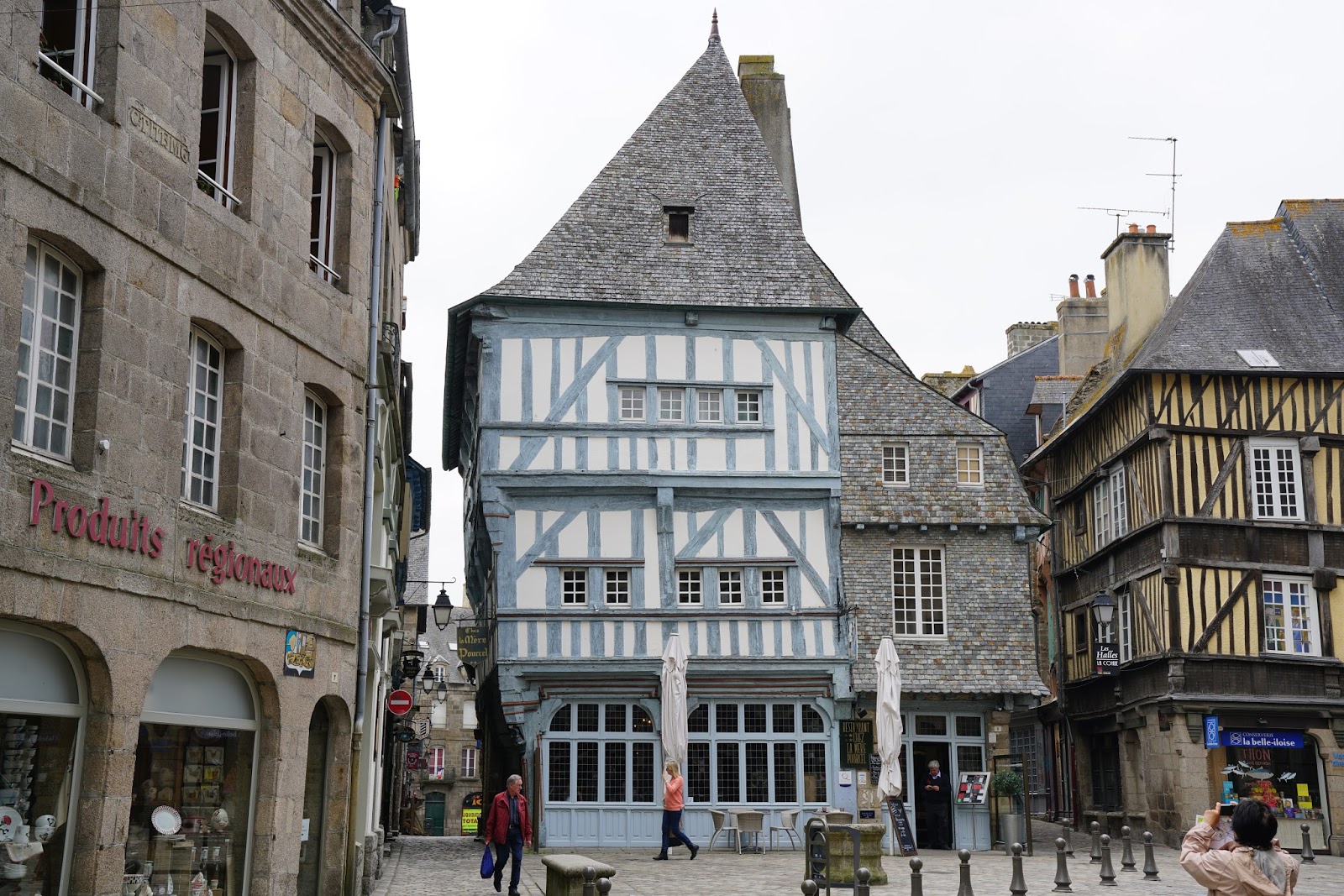
Dinan was spared bombardment during WWI and WWII and, as a result, retains a medieval quarter with interesting history and abundant charm. Wandering along these cobblestone streets feels like stumbling onto a set for a Harry Potter film. Delicious omelets and decadent ganaches, buckwheat pancakes, are common in about every dining establishment, and some of the finest are served by the popular Creperie Ahna.

In the old town center


A D-Day parade in Dinan

Seafood, however, is not to be missed, particularly the belon oysters. Righteously briny, with a crisp and lingering aftertaste, these are a treat for any lover of bivalves.

Parts of the ancient wall that surrounds Dinan are still walkable. One easy stroll, which offers a great view, is to pass through the square in front of the Church of St. Sauver, and stroll into the park behind the building. The views from the wall at that point are stellar, particularly from atop the turret where lower Dinan can be seen, sprawling along the river far below. A tourist train connects the upper and lower cities, for those disinclined to hike down--or back. After all, this is a vacation, right?

View of St. Catherine's Tower on the ramparts

                                                  The nearby Church of St. Sauveur


From Dinan, it is a short drive north to  a lazy country road that connects several oceanfront communities north of St. Malo. Even though the fog was thick the day of our drive, the views were nonetheless enchanting, particularly from Pointe du Grouin.


We ended our day at the Chateau Richelieu, a fabulous property that overlooks the bay on the outskirts of Cancale. Home to the widest tides in the world, low tide beckons fishmongers, who spend as much time as is safe on the vast mudflats and gather what they can. As the tide begins to rise, they trudge back to the safety of shore, their bicycles laden with sacks full of the day's bounty.


Chateau Richelieu


Dinner at the chateau was nearly as special as the view. We enjoyed belon oysters for a starter, progressed to lamb (a unique taste due to the salt water which permeates the region's soil), then onto a selection of cheeses and decadent desserts. All, of course, accompanied by a fine wine and excellent calvados. Oh, and a bottle of champagne, served outside, overlooking the gathering sea.